Kia Slashes EV6 Prices by Up to $6,000 in US Market Shift
Breaking: Kia EV6 Price Cuts of $5,000–$6,000 Hit U.S. Dealerships
Kia has slashed prices on its electric EV6 crossover by up to $6,000 across the United States, effective immediately. The move comes as automakers intensify price competition in the electric vehicle segment and struggle to move inventory amid shifting consumer demand.
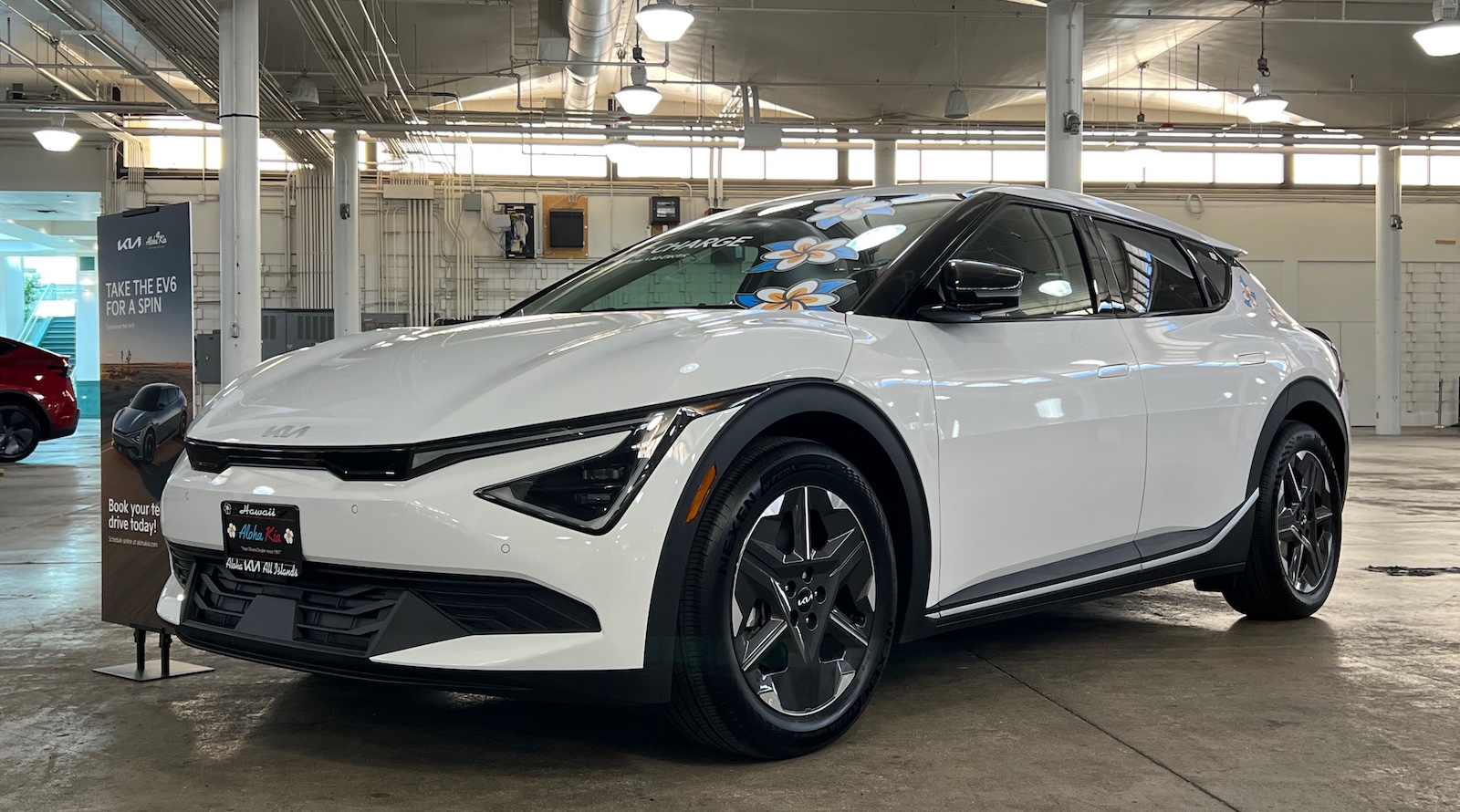
Dealers in multiple states confirmed the price reduction on 2024 models, with base trims dropping by $5,000 and higher-end variants seeing cuts of $6,000. The adjustment drops the EV6’s starting price to around $37,000 before federal tax incentives.
“This is a dramatic and urgent response to a market that’s becoming increasingly crowded,” said Dr. Helena Tran, an automotive industry analyst at DriveData Consulting. “Kia is trying to avoid the same inventory glut that has hit other EV makers.”
Background: Why Kia Is Cutting EV6 Prices Now
The Kia EV6 originally launched in 2022 to strong reviews and initial demand. However, sales have softened in recent months as rivals such as the Tesla Model Y, Hyundai Ioniq 5, and Ford Mustang Mach-E have all introduced aggressive pricing and lease deals.
Industry data shows EV inventories in the U.S. have risen to a 90-day supply, well above the industry average of 60 days. Kia’s own stock of EV6 units has climbed, prompting the automaker to act.
“We’re seeing a price war that benefits consumers but pressures margins,” said Mark Chen, a supply chain expert at Global Auto Research. “Kia’s move is preemptive—they want to clear lots before the next model year arrives.”
What This Means for Buyers and the EV Market
For shoppers, the price cut makes the EV6 one of the most compelling affordable EVs in America. Combined with the federal tax credit of up to $7,500 (if income and battery sourcing requirements are met), the effective price could fall below $30,000.
Experts say the reduction signals that EV prices are finally aligning with mainstream buyer expectations. “This isn’t just a temporary sale—it’s a structural shift,” noted Tran. “Manufacturers realize they can’t sustain premium pricing in a market where Tesla keeps lowering costs.”
The move may force other automakers to follow suit, especially Hyundai and Genesis, which share Kia’s E-GMP platform. If they don’t match the cuts, they risk losing customers to the now-cheaper EV6.
Dealers and Consumers React
Early reports from dealerships show increased foot traffic. A Kia dealer in Texas told local media that “we’ve already sold three EV6s today that were sitting for months.” Another source within Kia disclosed that the company is also considering lower financing rates.
Consumer forums are buzzing with excitement. One prospective buyer posted, “I was waiting for the Ioniq 5 to drop, but at this price the EV6 is a no-brainer.” However, some owners who paid full price earlier this year expressed frustration at depreciation.
Looking Ahead: Will Kia Extend the Cuts?
The price reduction is currently described as a “market adjustment” and not a permanent MSRP change. Analysts expect the lower prices to last at least through the second quarter of 2025 as Kia aims to hit sales targets.
If the strategy succeeds, the EV6 could become a top-10 selling EV in the U.S. by summer. If it fails, Kia may need to consider even deeper cuts or redesign incentives.
“Consumers should act quickly if they’re interested,” advised Chen. “Once inventory normalizes, prices may creep back up—but not to previous levels.”
Related Articles
- Navigating the New EPA Flaring Guidance: A Guide for Oil and Gas Operators
- New Study Exposes Decades of Overly Optimistic Nuclear Forecasts and Faulty Hydrogen Assumptions in Grid Models
- How Wind and Solar Saved the UK £1.7 Billion in Gas Imports Since the Iran War: 10 Key Facts
- Evaluating Tesla's Solar Offerings: From Solar Roof to Panels – A Homeowner's Guide
- React Native 0.85: Revamped Animation Engine, Dedicated Jest Package, and More
- How to Connect with the Flutter Core Team at Global Events in 2026
- Xiaomi Shocks Auto World: Second Electric SUV Shatters Nürburgring Lap Record
- How to Understand and Respond to the EPA's New Flaring Guidance for Oil and Gas Operations