Unlocking the Secrets of Laos' Stone Jars: A 1,200-Year-Old Funerary Tradition Revealed
The mysterious Plain of Jars in Laos has fascinated archaeologists for decades. Scattered across the landscape are thousands of massive stone vessels, some weighing several tons, whose original purpose long eluded experts. A recent excavation of one of the largest jars—a giant 'death jar'—has finally provided concrete evidence. Inside, researchers discovered generations of human skeletons, confirming that these enigmatic monuments were part of an ancient funerary tradition. This breakthrough sheds new light on the rituals and beliefs of the people who lived in Southeast Asia over a millennium ago. Below, we answer some of the most pressing questions about this remarkable find.
1. What is the Plain of Jars and why is it so mysterious?
The Plain of Jars is an archaeological site located in central Laos, known for its hundreds of massive stone jars scattered across the hillsides. These jars, carved from sandstone and other local stone, range from one to three meters in height and can weigh up to 14 tons. The mystery stems from the fact that, until recently, no one knew exactly what they were used for. Ancient legends spoke of giant vats for fermenting rice wine or storing water, but archaeological evidence was scarce. The site is also closely associated with the ancient Iron Age civilization that once thrived in the region, but many details about their culture, burial practices, and technology remain unknown. Because of its scale and secrecy, the Plain of Jars has been designated a UNESCO World Heritage site, yet it still holds many secrets about Southeast Asia's prehistoric past.
2. What did the excavation of the giant 'death jar' reveal?
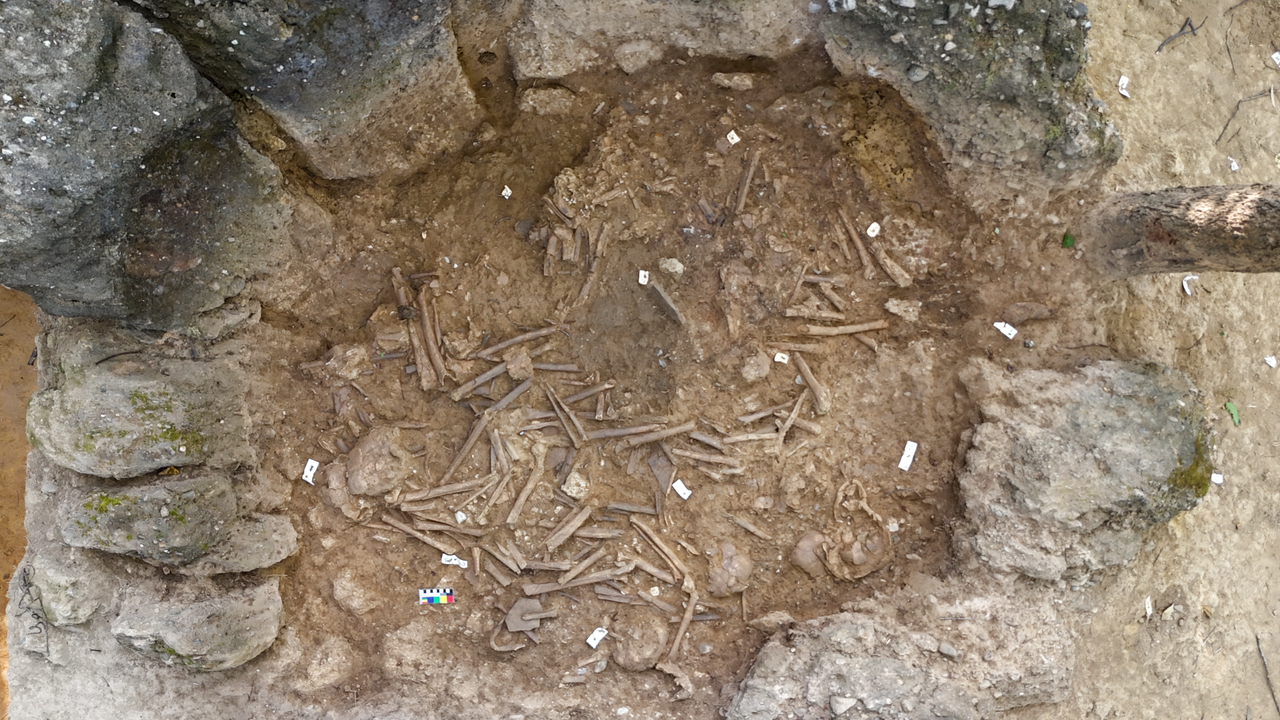
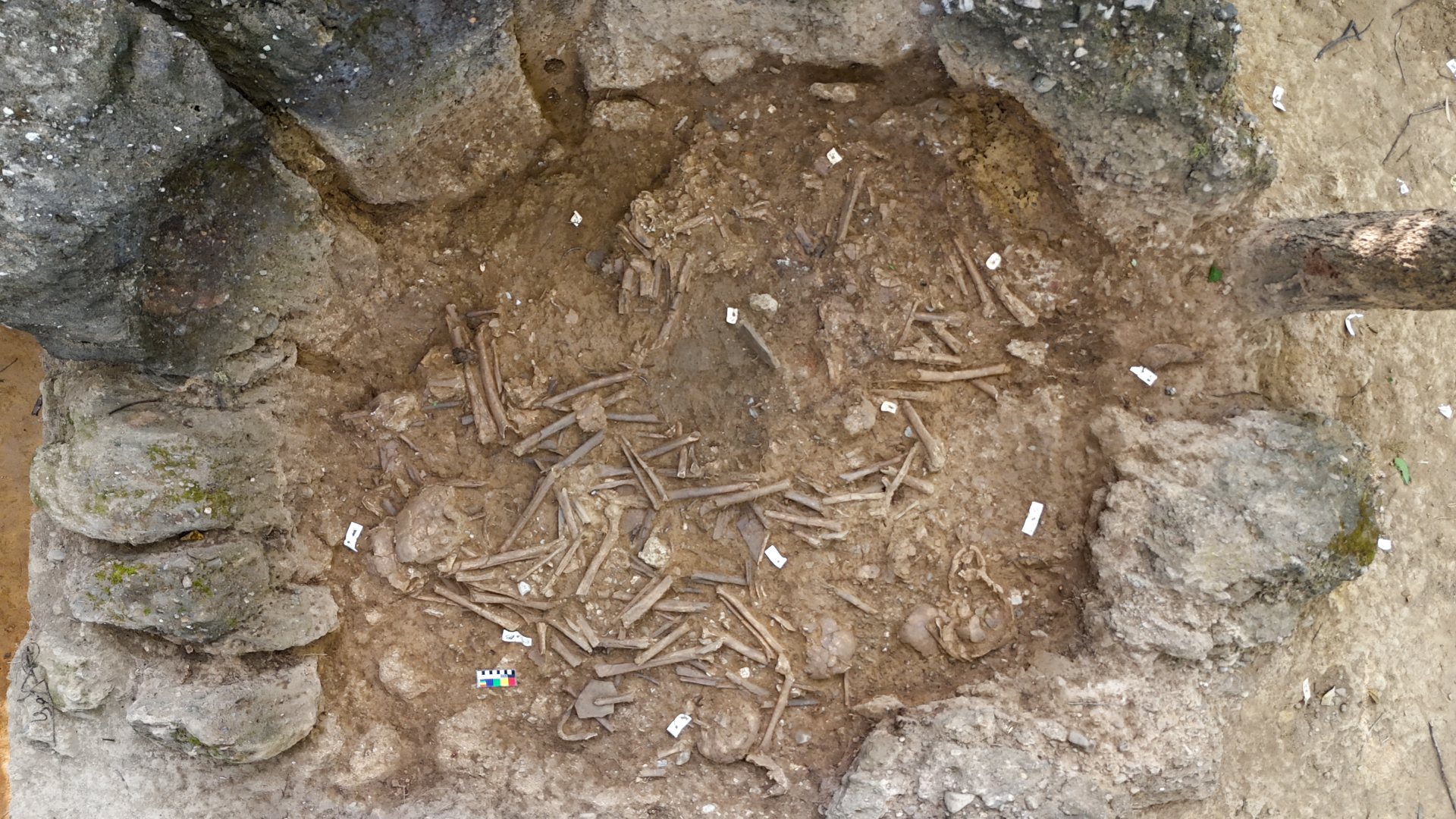
The excavation focused on one of the largest stone vessels on the Plain of Jars—a jar nicknamed the 'death jar' by local researchers. Using modern archaeological techniques, a team carefully excavated the interior and surrounding area. To their surprise, they found not just one individual but the remains of multiple generations of human skeletons. The bones showed signs of complex funerary treatment, including disarticulation and rearrangement. Radiocarbon dating placed the earliest burials around 1,200 years ago, with later additions over several centuries. This discovery provided the first definitive evidence that the jars were used as burial containers—a long-held hypothesis that now has solid support. The excavation also revealed organic artifacts, such as charcoal and traces of teeth, which help scientists understand the rituals involved in the jar entombments.
3. How old are these stone jars and what were they used for?
The largest jar excavated dates back approximately 1,200 years, placing it within the Iron Age of Southeast Asia (around 500 BC to 500 AD). However, the site as a whole shows evidence of use spanning several centuries. The primary use was funerary: the jars served as ossuaries for the dead. Bodies were first exposed or cremated, and then the bones were collected and placed inside the jars. This secondary burial practice reflects ancient beliefs about the afterlife and ancestor veneration. The size of the jar—large enough to hold many individuals—suggests it was a communal family or lineage tomb, with remains added over generations. No evidence of rice wine or water storage was found, debunking popular myths. Instead, the jars were integral to a complex death ritual that involved stone placement, grave goods, and possibly feasting activities.
4. How many skeletons were found and what do they tell us?
The excavation uncovered the remains of at least 20 individuals inside the giant jar, spanning multiple generations. The skeletons included adults, adolescents, and children, indicating that the jar was used as a collective burial site for an entire community or family group over time. Analysis of the bones reveals clues about the health and diet of these ancient people: they show signs of hard labor, healed fractures, and dental wear typical of a diet heavy in grains and fibrous plants. The presence of both male and female remains suggests that the jar burial was not exclusive to one gender or status. Interestingly, the bones were deliberately arranged and sometimes painted with red ochre, hinting at rituals meant to honor the dead or guide their spirits. This extensive sample provides a rare window into the lives of the Iron Age people of Laos, far beyond what isolated single burials could offer.
5. How does this discovery change our understanding of the Plain of Jars?
Before this excavation, the Plain of Jars was often dismissed as a mysterious anomaly—a collection of giant rocks with uncertain function. The discovery confirms that the jars were not simply markers or decorative monuments but functional funerary containers central to the region's burial culture. This finding aligns the Plain of Jars with other megalithic burial traditions found elsewhere in Southeast Asia, such as the jar burials of Thailand and Vietnam. It also indicates that the site was a long-term ritual landscape, used for ancestor worship and community memorialization over centuries. The careful placement of the jars, often in clusters near natural clearings or on hilltops, suggests they were part of a broader sacred geography. Researchers now understand that the jars are just one component of a complex system that included hearths, stone discs, and funerary pits—all of which require further study to fully reconstruct the ancient society.
6. Who built these jars and what challenges remain?
The builders are believed to be an advanced Iron Age culture that flourished between 500 BC and 500 AD in what is now Laos. They possessed skills in quarrying, carving, and transporting massive stones—some weighing several tons—without modern machinery. However, their identity remains speculative because few settlements have been found near the jar sites. Archaeologists think these people were organized into chiefdoms or tribal groups that gathered for seasonal rituals. The main challenges now include preserving the fragile jar sites from looting, weathering, and encroaching vegetation. Moreover, funding and political conditions in Laos have limited extensive excavation. Future research with technologies like LiDAR and ground-penetrating radar could reveal hidden burial chambers or ancient pathways. International collaborations are slowly picking up, but many questions—like why the jars were abandoned or what caused the civilization's decline—remain unanswered. Each excavation adds a piece to the puzzle, but the Plain of Jars still guards most of its secrets.
Related Articles
- Unearthing an 8-Year-Old's Story: African Ancestry in Colonial Maryland's Indentured Servants' Graveyard
- Safari 26.5: Key Q&A on New WebKit Features
- React Native 0.82: The Full Transition to the New Architecture Begins
- Parents and Teachers Challenge Edtech Vetting: New State Laws Aim to Regulate School Software
- Uncovering the Digital Complexity of Nations: A Q&A on How GitHub Data Reveals Economic Insights
- Unlock Matter Devices in Apple Home: Your Step-by-Step Homebridge 2.0 Update Guide
- FBI Recovers Deleted Signal Messages from iPhone Notification Cache
- Apple's Upcoming Lineup: MacBook Ultra, Foldable iPhone Ultra, and Vision Pro's Decline