5 Critical Facts About the Coming 'Super El Niño' and Its Global Fallout
Introduction
The world is bracing for what meteorologists now call a ‘super El Niño’ — the strongest such event since the 1870s. Forecasts for October through February point to a “very strong” El Niño as the most likely scenario, raising alarms about widespread humanitarian consequences. This article breaks down the five essential things you need to understand about this developing climate phenomenon, from its unique intensity to the expected ripple effects across economies, health, and ecosystems.
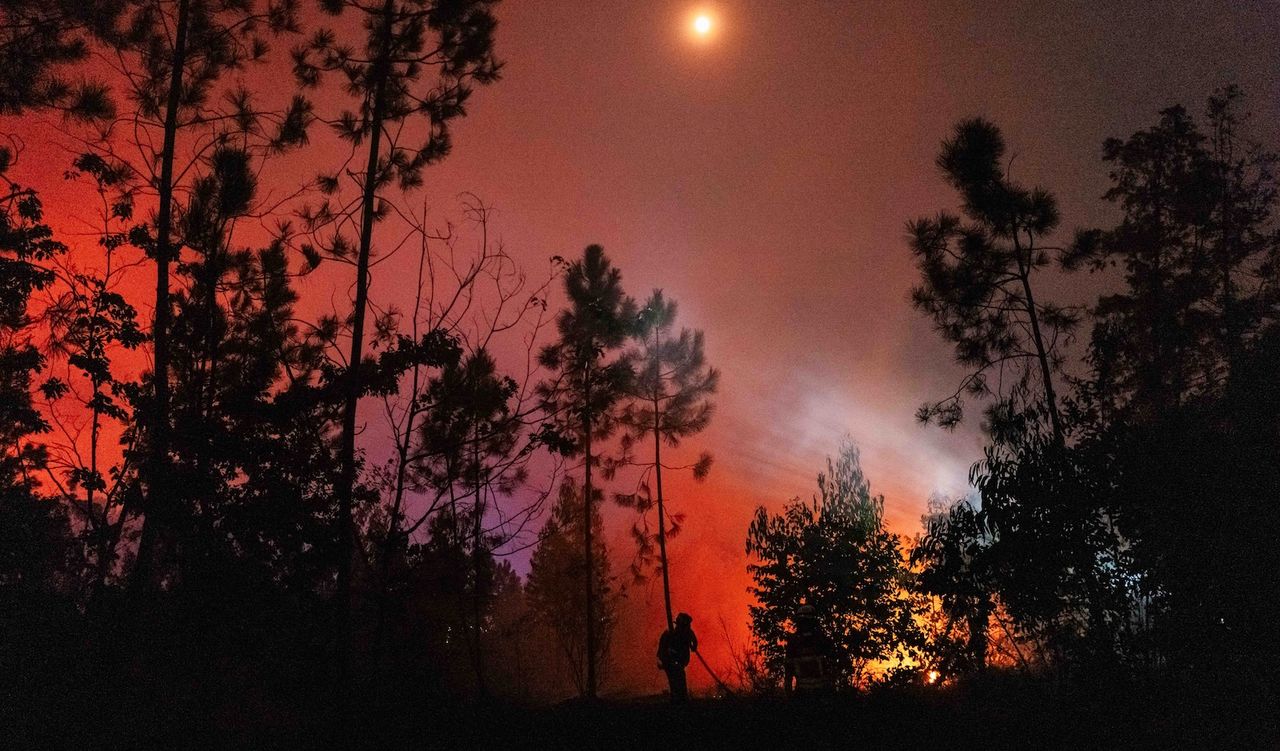
1. What Makes This El Niño a ‘Super’ Event?
El Niño is a natural climate pattern marked by warmer-than-average sea surface temperatures in the central and eastern Pacific Ocean. The upcoming event is classified as “very strong” because the warming is projected to exceed key thresholds — sea surface temperature anomalies could rise above 2.0°C in the Niño 3.4 region. Current models suggest the peak intensity may rival or surpass the record-breaking El Niños of 1877–78, 1982–83, 1997–98, and 2015–16. This unusual strength results from a combination of subsurface heat buildup and favorable atmospheric conditions. The term ‘super El Niño’ is not an official classification but is increasingly used by scientists to emphasize its exceptional magnitude and potential for extreme global disruptions.
2. Historical Precedent: Why the 1870s Comparison Matters
The reference to the 1870s is not arbitrary — that decade saw a series of devastating El Niño events that contributed to famines, droughts, and disease outbreaks across Asia, Africa, and South America. The 1877–78 El Niño, in particular, triggered one of the worst global famines of the 19th century, with an estimated 30–50 million deaths in India, Brazil, China, and other regions. By linking the current forecast to that era, scientists stress that a similar intensity of ocean warming is now emerging, raising the risk of comparable humanitarian catastrophes if adaptation measures fail. While modern forecasting and emergency response are far more advanced, the underlying climate dynamics remain equally powerful—and populations in vulnerable regions are still highly exposed.
3. Expected Regional Weather Impacts
A super El Niño reshapes global weather patterns in predictable ways. Typically, it brings heavy rainfall and flooding to the southern United States, parts of South America (especially Peru and Ecuador), and the Horn of Africa. Conversely, it causes severe drought in Australia, Indonesia, India, and southern Africa. The upcoming event is expected to amplify these contrasts: monsoon failures in Southeast Asia could lead to crop failures, while torrential rains in East Africa may trigger landslides and displacement. The Pacific jet stream will also shift, likely producing persistent storms over California. Each of these extremes carries cascading risks for food security, water supplies, and public health.
4. The Humanitarian Price Tag: Health, Food, and Migration
The humanitarian costs of a super El Niño are staggering. Food insecurity emerges as the top threat — drought in India and Southeast Asia could reduce rice and wheat harvests by 20–30%, driving up global food prices. In sub-Saharan Africa, flooding may destroy crops and increase waterborne diseases like cholera. Heatwaves and air stagnation exacerbate respiratory illnesses. Moreover, climate-driven displacement is expected to spike, particularly in low-lying Pacific islands and coastal regions of South America. The World Food Programme estimates that tens of millions of additional people could need emergency assistance. The 2015–16 El Niño already cost billions in disaster response; a stronger event could overwhelm existing aid systems.
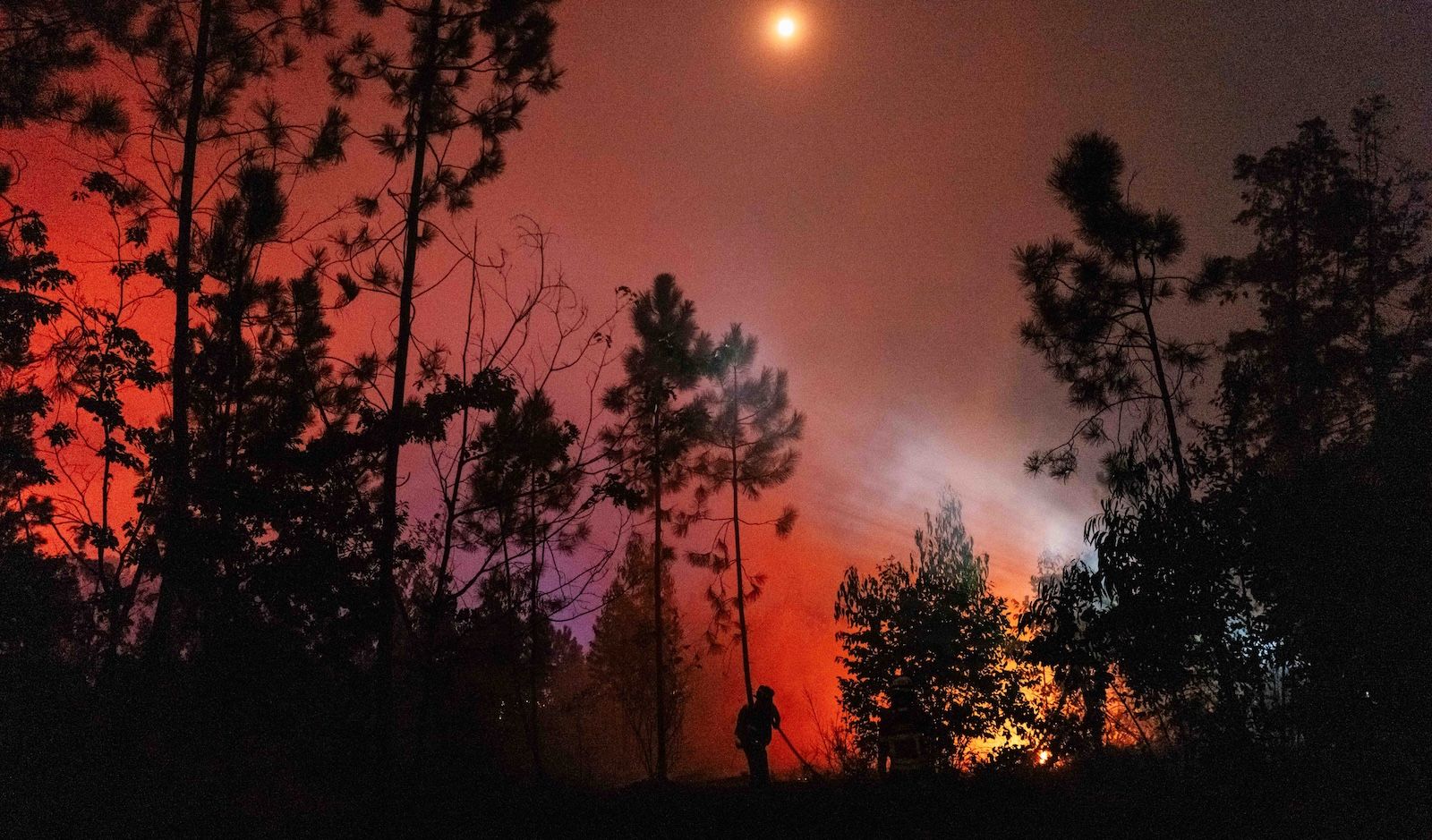
5. Can We Prepare? Mitigation and Early Warning
Although we can’t prevent El Niño, we can reduce its damages through proactive adaptation. Early warning systems have improved dramatically since the 1870s — satellite data, ocean buoys, and climate models now provide months of lead time. Governments in at-risk regions are urged to stockpile food, reinforce levees, implement water rationing, and launch public health campaigns. International organizations like the WMO and IFRC are coordinating anticipatory action. Yet funding gaps and political instability remain major obstacles. The most effective strategy combines seasonal forecasting with community-level resilience building. The question is whether the world will act fast enough to avert a humanitarian disaster.
Conclusion
The 2024–25 super El Niño is shaping up to be a defining climate event of our time, echoing the destructive force of the 1870s. Its impacts on weather, food systems, and human lives will be severe unless preparations are scaled up immediately. Understanding the science behind this phenomenon, its historical context, and the practical steps we can take is the first step toward minimizing the toll. This is not just a forecast—it’s a call to action for governments, aid agencies, and communities worldwide.
For more on related climate risks, see our comparison with the 1870s or learn about humanitarian preparedness.
Related Articles
- Effortless PC Maintenance: A Monthly Routine That Actually Works
- Safari Technology Preview 242: Key WebKit Enhancements and Bug Fixes
- Criterion Collection Slashes Prices 30% Across Entire Catalog in Limited-Time Sale
- iOS 27 Leaks Reveal Siri App, Satellite 5G, and Snow Leopard-Style Overhaul
- How to Launch and Lead a Business Book Club That Develops Future Leaders
- Your Guide to Microsoft 365 Updates: Key Questions Answered
- Reviving the Google Home Mini: An $85 Upgrade Board Brings Local Processing and Modern Features
- How to Apply Fred Brooks' Timeless Lessons from The Mythical Man-Month to Your Software Projects