NVIDIA CEO at CMU: AI Revolution Ushers in a New Era for Graduates
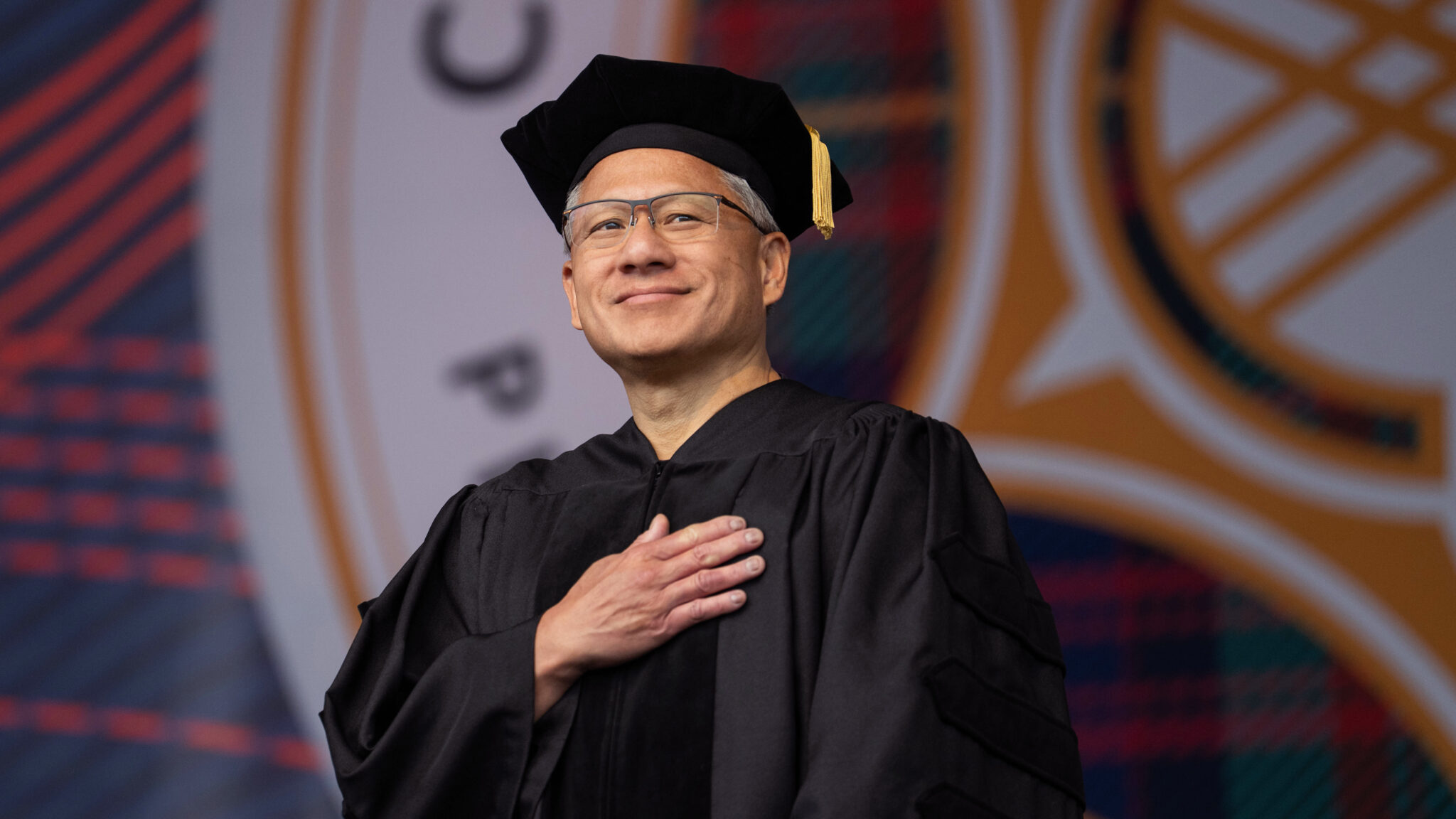
In a stirring commencement address at Carnegie Mellon University, NVIDIA founder and CEO Jensen Huang told graduates that they are entering the world at a pivotal moment—the dawn of the artificial intelligence revolution. Drawing parallels to his own start during the PC revolution, Huang emphasized that this generation has access to more powerful tools and greater opportunities than any before. Below, we explore key themes from his speech, answering common questions about the AI era and what it means for today's graduates.
What did Jensen Huang say about the timing of the AI revolution for graduates?
Huang described the current moment as extraordinary, noting that a new industry is being born and a new era of science and discovery is beginning. He compared it to the start of the PC revolution when he launched his own career. He stressed that every major computing platform shift—from PCs to the internet, mobile, and cloud—has led to this shared moment. According to Huang, no generation has entered the world with more powerful tools or greater opportunities. He told graduates that they are all standing at the same starting line, and it is their moment to help shape what comes next. The timing, he said, could not be more perfect for turning dreams into reality.
Why does Huang believe AI will impact every industry?
Huang explained that intelligence is foundational to every industry, so when AI makes intelligence broadly accessible, every sector will transform. This is unlike previous technological shifts that affected only specific domains. He argued that the AI revolution is bigger than anything before because it touches the very core of how industries operate—from healthcare and finance to manufacturing and entertainment. For the first time, the power of computing and intelligence can truly reach everyone, closing the technology divide. This means electricians, plumbers, ironworkers, technicians, and all kinds of builders will benefit from AI, not just software engineers. It’s a once-in-a-generation opportunity to reindustrialize America and restore the nation’s capacity to build.
How did Huang link AI to the American dream?
Huang underscored that the American dream of opportunity and the promise of reinvention underpin the AI revolution. He described AI as driving the largest technology infrastructure buildout in human history. This buildout, he said, offers a unique chance to bring manufacturing and skilled trades back to the U.S., creating jobs across many fields. By making intelligence more broadly accessible, AI reaffirms the imperative that its benefits reach everyone, not just a select few. Huang believes that when society engages with technology openly, responsibly, and optimistically, it expands human potential far more than the technology itself displaces. Thus, AI becomes a tool for rebuilding the nation’s industrial base while upholding the values of opportunity and reinvention.
What fears and opportunities did Huang acknowledge about the AI revolution?
Huang acknowledged that every major technological revolution in history has created fear alongside opportunity, and the AI revolution is no different. He noted that massive industrial and economic shifts always bring uncertainty. However, he urged graduates to embrace the potential. He said that when society engages technology openly, responsibly, and optimistically, we expand human potential far more than we displace it. The key is to recognize that AI is not just creating a new computing industry—it is creating a new industrial era. Graduates, he argued, are uniquely positioned to press the advantage because they have grown up with digital tools and understand the power of data. Their generation can lead the responsible deployment of AI to solve real-world problems.
Why did Huang encourage graduates to thank their mothers?
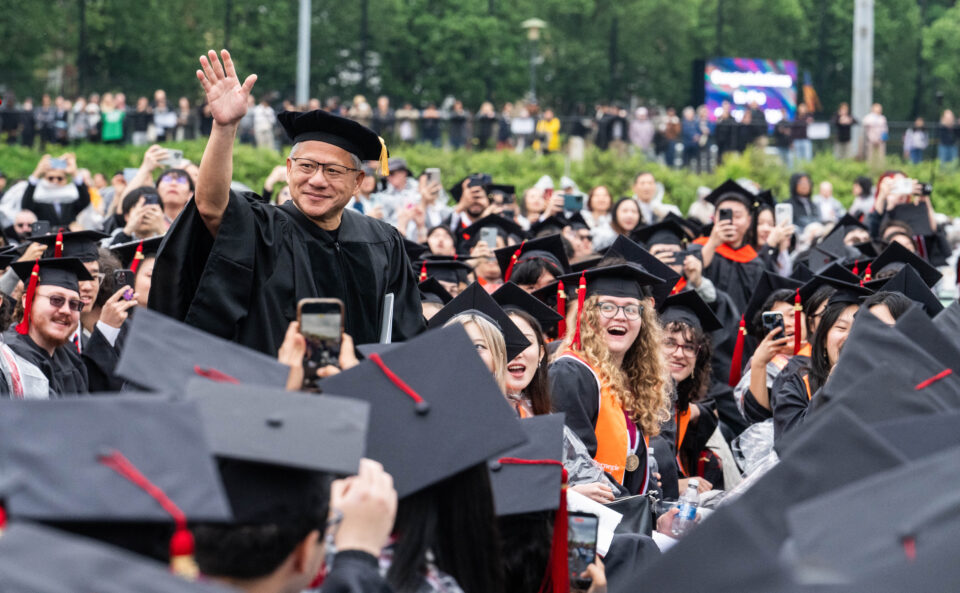
During his speech, Huang took a moment to encourage graduates to turn to their mothers and wish them a happy Mother’s Day. This was a heartfelt interlude that acknowledged the support systems behind the graduates’ achievements. It also served to humanize the technology-driven message, reminding the audience that even in an AI revolution, personal connections and gratitude remain important. Huang’s own journey from immigrant to CEO of one of the world’s most valuable tech companies was likely inspired by family support. By drawing this personal connection, he emphasized that success is rarely achieved alone—family, mentors, and communities all play a role. This moment also lightened the mood on a rainy morning in Pittsburgh, connecting the grandeur of technological change to the simple act of thanking a parent.
What specific advice did Huang give graduates for the AI era?
Huang advised graduates to recognize that they are entering the world at an extraordinary moment—the beginning of the AI revolution. He told them they have more powerful tools than any previous generation and encouraged them to help shape what comes next. He said, “Now it’s your time to realize your dreams—and the timing could not be more perfect.” He also emphasized that AI will make intelligence broadly accessible, so graduates in any field—not just tech—can leverage it. He urged them to approach AI with openness, responsibility, and optimism. The biggest takeaway: don’t fear the changes; instead, see them as opportunities to build, create, and reindustrialize America. Huang’s core message was that this generation has the chance to define how AI transforms every industry, from the trades to high technology.
How does Huang’s own career path parallel the graduates’ situation?
Huang drew a direct parallel between starting his career at the beginning of the PC revolution and graduates starting theirs at the beginning of the AI revolution. He noted that when he founded NVIDIA, personal computing was just emerging, and many doubted its potential. Yet that shift created entire industries and transformed society. Similarly, AI is now at an inflection point. Huang sees himself and the graduates as standing on the same starting line—a shared moment of massive technological change. His journey from a young entrepreneur to leading a company that powers AI systems worldwide exemplifies how seizing such a moment can lead to extraordinary impact. The parallel is meant to inspire: if he could ride the PC wave to success, graduates can do the same with AI, but on an even larger scale because intelligence is fundamental to everything.
Related Articles
- 10 Key Insights from NVIDIA’s AI Manufacturing Revolution at Hannover Messe 2026
- How to Integrate World-Class Online Learning into National Higher Education: A Step-by-Step Guide for Education Ministries
- Getting Started with Django: A Practical Q&A Guide
- 10 Essential Insights for Shared Design Leadership
- Unlocking Efficient Inference: TurboQuant's KV Cache Compression
- LinkedIn Joins Ranks of Major Tech Layoffs Amidst Surging AI Investments
- How Cloudflare Fortified Its Network by Mastering Controlled Failures
- LinkedIn Job Cuts: A Deeper Look at the Tech Industry’s Shifting Priorities