Curiosity Rover's Drill Gets an Unforeseen Martian Keepsake
An Unexpected Martian Souvenir
NASA's Curiosity rover, which has been exploring the Gale Crater on Mars since 2012, recently encountered a surprising turn of events during a routine drilling operation. While attempting to extract a sample from a rock nicknamed Atacama, the entire rock fragment unexpectedly detached from the ground and remained lodged in the rover's drill. This unforeseen incident left engineers on Earth with a unique challenge: how to free the stubborn Martian souvenir without damaging the rover.
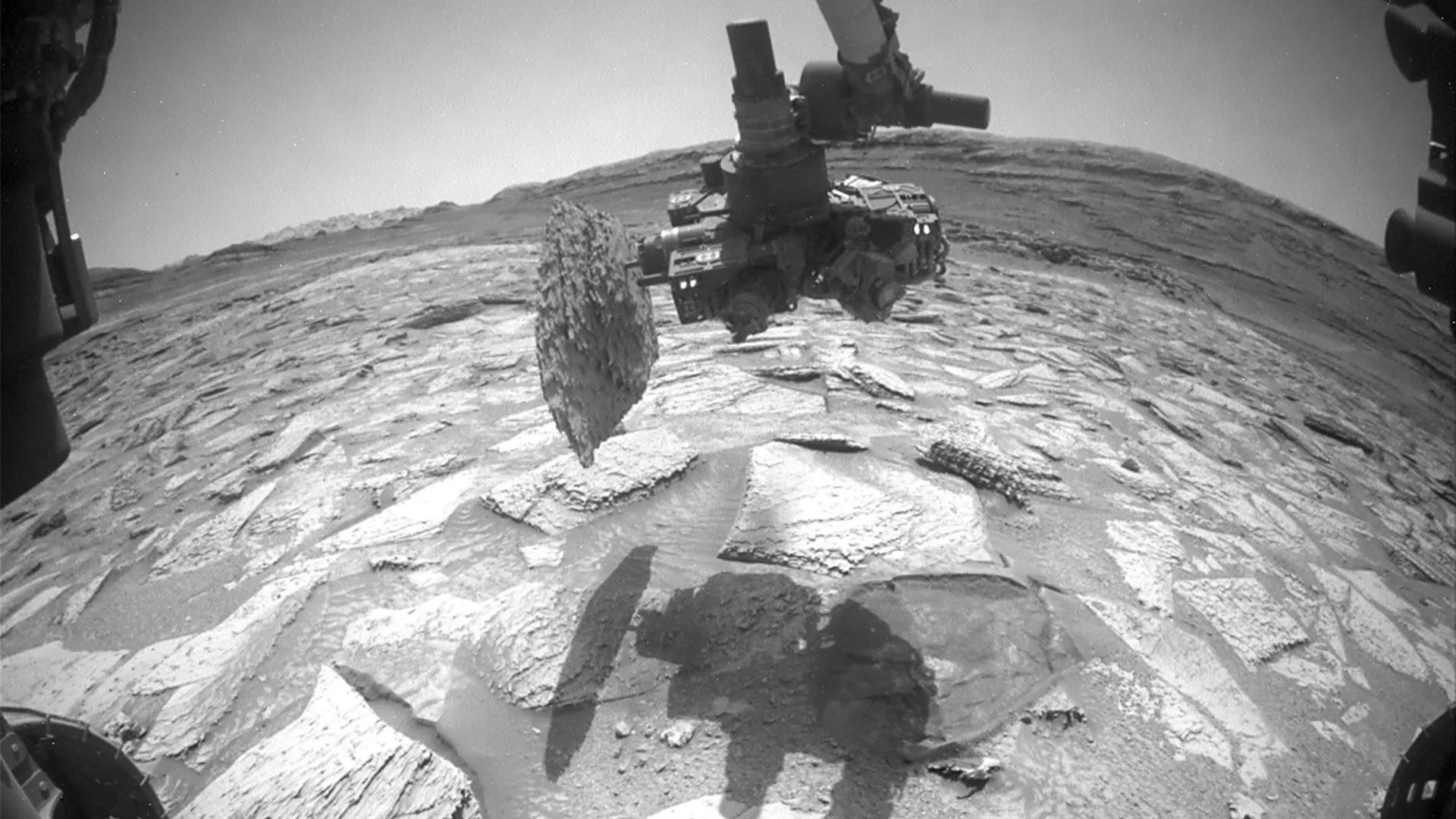
The Stubborn Stowaway
The rock in question was a light-colored, flat target located in a region of the crater known for its diverse geology. When Curiosity’s drill bit made contact, the rock did not crumble easily; instead, it broke free from the surrounding regolith and clung tightly to the drill's tip. Over several days, engineers commanded the rover to perform a series of maneuvers aimed at dislodging the rock—shaking, vibrating, tilting, and even spinning the drill. High-resolution cameras captured the entire process, providing a rare glimpse of the robotic arms' struggle against Martian geology.
The 'Atacama' Rock
Named after the Atacama Desert in Chile—one of the driest places on Earth—the rock’s tenacity surprised mission planners. Unlike previous drilling targets, Atacama appeared to have a particularly strong adhesion to the drill’s carbide teeth. The sampling procedure, which typically yields a fine powder, was foiled when the entire fragment remained stuck. The event highlighted the unpredictable nature of Mars’ surface materials.
Engineering Ingenuity on Display
Curiosity’s drill is a sophisticated tool designed to collect powdered rock samples for analysis. The incident required a careful, step-by-step response. Engineers at NASA's Jet Propulsion Laboratory programmed a sequence of motions to vibrate the drill head at different frequencies, followed by tilting the entire robotic arm to shift the rock’s position. Finally, a spinning maneuver was executed to create centrifugal force. These efforts were monitored via the rover’s Mastcam and arm-mounted cameras.
Lessons from a Stuck Rock
While the rock did eventually come free—after five days of attempted removal—the mission team used the opportunity to test the rover’s maintenance protocols. The episode provided valuable data on how Martian rocks behave under mechanical stress. It also demonstrated the resilience of Curiosity’s design, which had already exceeded its primary two-year mission by more than a decade.
Implications for Future Missions
This accidental encounter may influence how future rovers—such as the Mars 2020 Perseverance or sample-return missions—are programmed to handle unexpected obstacles. The experience underscores the importance of flexible drilling strategies and robust earthbound simulations. Moreover, the Atacama incident adds to the growing body of knowledge about the physical properties of Mars’ crust, which varies dramatically from place to place.
A Reminder of Exploration's Unpredictability
Curiosity's mission is a marathon of discovery, and this event serves as a reminder that even in an era of sophisticated autonomy, surprises await. The rover continues to send back data, images, and occasionally, a reminder that space exploration is as much about problem-solving as it is about finding answers.
Conclusion
What started as a routine drill turned into an impromptu test of a rover's troubleshooting capabilities. The rock named Atacama may have been a stubborn souvenir, but it ultimately offered scientists and engineers a unique learning experience. As NASA plans future robotic missions to Mars and beyond, the lessons from Curiosity's sticky situation will help design more adaptive tools and procedures.
Related Articles
- Unlocking the Cambrian Explosion: What New Fossil Discoveries Reveal About Early Animal Evolution
- Warm Waters Are Sneaking Toward Antarctica: What Scientists Just Discovered
- Amateur Astronomer's Breathtaking Image Reveals Pleiades Cluster Shrouded in Icy Blue Nebula
- Chip Binning: How 'Defective' Silicon Powers Your Budget Devices (and Why That's Great for Sustainability)
- Beyond Efficiency: A Guide to Protecting Team Culture in the Age of AI Automation
- Capturing the International Space Station on a Budget: A Thrift Store Lens Challenge
- 10 Startling Insights into the Fermi Paradox and the Great Filter
- Windows RPC Under Siege: The PhantomRPC Privilege Escalation Threat