How to Observe and Appreciate the May Flower Micromoon: A Step-by-Step Guide
Introduction
May brings a celestial spectacle that marks the blooming season across the Northern Hemisphere: the full Flower Moon. But this year's event is especially unique because it's a micromoon — the opposite of a supermoon. Instead of appearing larger and brighter, the Moon will sit at its farthest point from Earth (apogee) making it look slightly smaller and dimmer. Don't let that fool you, though — the Flower Micromoon still offers a stunning sight for skywatchers and nature lovers alike. In this guide, you’ll learn step-by-step how to make the most of this lunar event, from understanding why it’s called a micromoon to capturing its subtle beauty. Whether you're a seasoned astronomer or a casual stargazer, these steps will help you connect with the night sky in a meaningful way.
What You Need
Before you head outside, gather a few essentials to ensure a comfortable and rewarding experience:
- Clear sky forecast – Check local weather to avoid clouds.
- Moonrise and moonset times – Use an astronomy app or website (e.g., Time and Date, Stellarium).
- A dark viewing location – Away from city lights, with a clear horizon (east for moonrise, west for moonset).
- Binoculars or a telescope (optional) – To see lunar maria and craters in detail.
- Camera with zoom lens or smartphone adapter – For photography enthusiasts.
- Comfort items – Warm clothing, a blanket or folding chair, and a red flashlight to preserve night vision.
- Notebook or voice recorder – To jot down observations.
Step-by-Step Instructions
Step 1: Understand the Micromoon Phenomenon
The first step is knowledge. A micromoon occurs when a full moon coincides with apogee — the point in the Moon's elliptical orbit farthest from Earth (about 405,500 km away). This makes the Moon appear about 14% smaller and 30% dimmer than a supermoon. However, these differences are subtle to the naked eye. The term "Flower Moon" originates from Native American traditions, marking the time when spring flowers bloom. Embrace this dual significance — the tiny Moon and the Earth's rebirth — to deepen your appreciation.
Step 2: Determine the Exact Timing for Your Location
Timing is everything. The Moon will rise in the east around sunset and set in the west around sunrise the next morning. But the exact minute depends on your longitude and latitude. Use resources like the U.S. Naval Observatory or apps like SkySafari to find local moonrise and moonset. For best views, the moments just after moonrise or before moonset are magical — the Moon appears larger near the horizon due to an optical illusion (the "Moon illusion"). Mark your calendar and set an alarm.
Step 3: Choose an Optimal Viewing Spot
Scout a location with an unobstructed horizon. A hilltop, open field, or shoreline facing east (for moonrise) or west (for moonset) works well. Avoid tall trees, buildings, or mountains that might block the view. Light pollution from cities washes out the Moon’s subtle details, so aim for a dark sky area — even a local park can suffice if you turn off nearby lights. If you can’t travel, your backyard or balcony can still work, just angle yourself away from streetlights.
Step 4: Prepare Your Equipment and Yourself
Set up your gear at least 15 minutes before moonrise. If using binoculars or a telescope, practice focusing on a distant object during daylight. For photography, stabilise your camera with a tripod and use a remote shutter or timer to avoid shake. Dress warmly — spring nights can be chilly — and bring a red-filtered flashlight to maintain your night vision (white light ruins dark adaptation for 30 minutes). Lay out your chair or blanket and get comfortable.
Step 5: Observe the Moon During Its Ascent
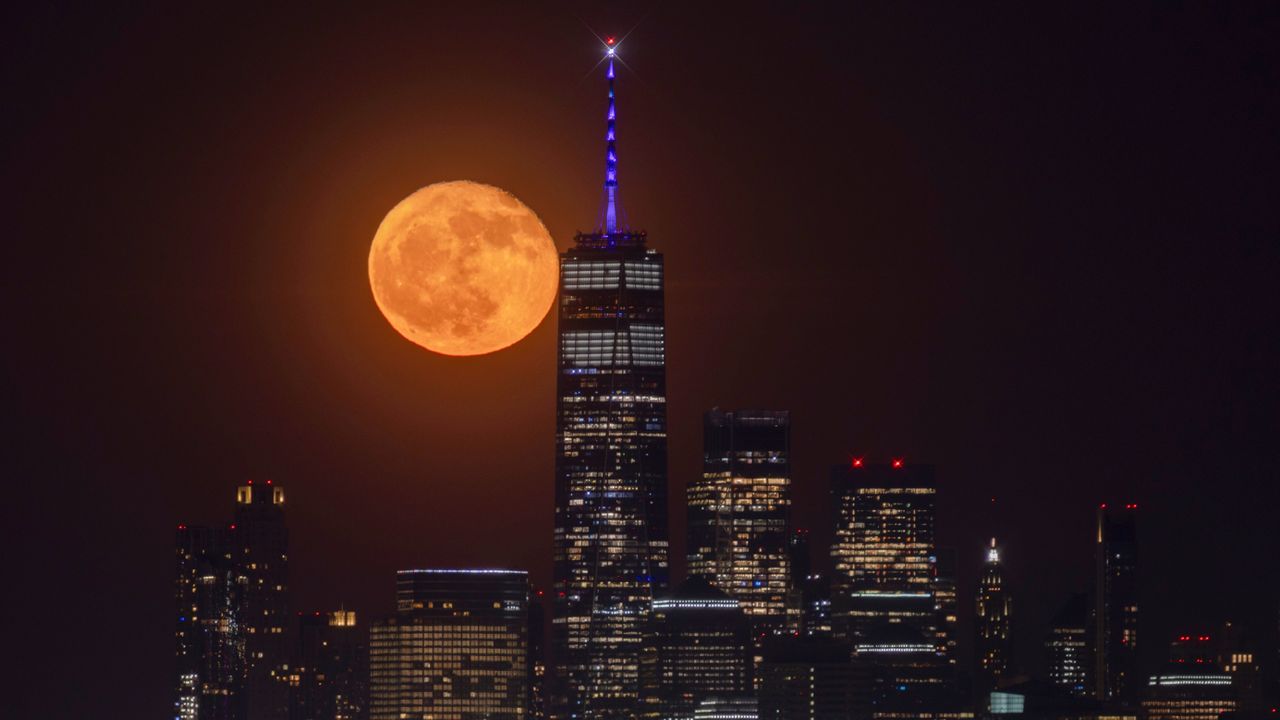
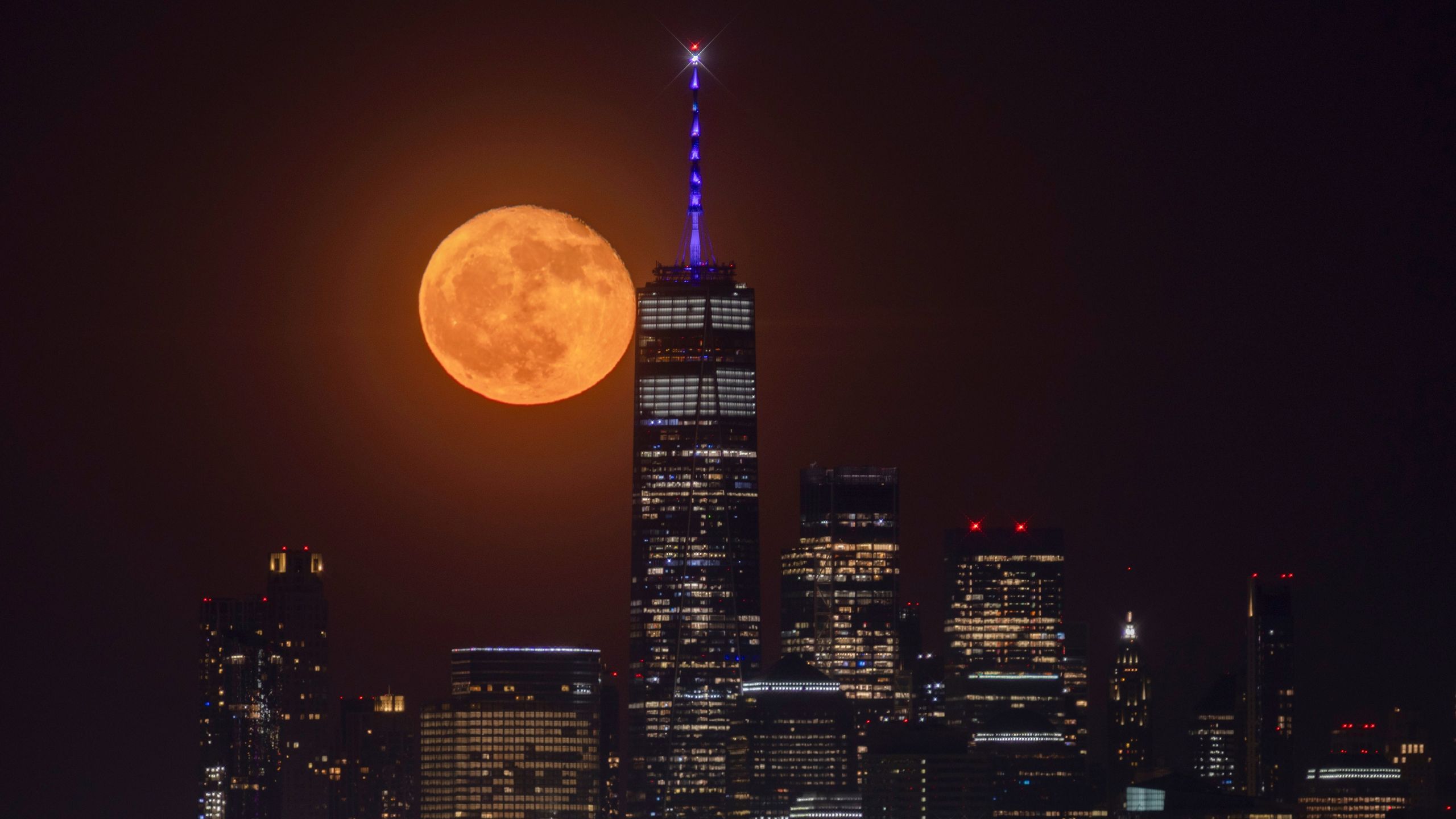
As the Moon crests the horizon, take it slow. Watch for a beautiful orange or amber hue — this is due to atmospheric scattering of shorter wavelengths. The Moon will appear especially large because of the horizon illusion and the micromoon’s actual smaller size may be harder to perceive. Use your binoculars to scan the terminator (the line between light and dark) where shadows emphasise craters and mountains. Note the colours: the surface appears grey with subtle blue or brown patches (basaltic plains called maria).
Step 6: Photograph or Sketch the Event
If you have a camera, experiment with different exposures. For a sharp Moon, use a fast shutter speed (1/125 or faster) and a low ISO (100-200). To capture the landscape and Moon together, use a slower shutter and HDR techniques. Smartphone users can try holding binoculars up to the lens — but a dedicated clip-on telephoto lens yields better results. If you’re not into photography, a simple pencil sketch of the Moon’s features can be a memorable, mindful activity. Record your impressions: the temperature, the wind, how the light feels.
Step 7: Note the Cultural and Natural Context
Pause to think about the season. In May, flowers like peonies, irises, and roses are at their peak. The micromoon’s faint light still casts enough illumination to see spring blossoms by moonlight. In many cultures, this moon marks planting season or festivals. Take a moment to appreciate the connection between lunar cycles and Earth’s rhythms. This reflection can transform a simple observation into a meaningful experience.
Step 8: Share and Document
After your session, share your observations with friends or on social media. Use hashtags like #FlowerMoon #Micromoon #Astronomy. If you took photos or notes, archive them for comparison with future moons. You can also contribute to citizen science projects like Globe at Night to help scientists study light pollution. Even a simple post can inspire others to look up.
Tips for the Best Experience
- Watch the moonrise or moonset – The Moon appears larger near the horizon due to the Moon illusion. This is the most photogenic moment.
- Use apps to plan – Download Stellarium, Sky Map, or Moon Calendar for precise times and location-specific guidance.
- Dress in layers – Evening temperatures can drop quickly; a thermos of hot tea adds comfort.
- Patience is key – The Moon’s appearance changes as it rises higher; give yourself at least an hour.
- Invite friends – A shared experience enhances the magic, especially for beginners.
- Respect nature – If you’re in a park or wilderness, leave no trace and avoid disturbing wildlife.
- Don't overlook the dimmer view – The micromoon’s subtle darkness reveals more of the lunar surface detail than a brilliant supermoon.
By following these steps, you’ll not only witness the May Flower Micromoon but also understand its astronomical, cultural, and personal significance. So go ahead — step outside, look up, and let the night sky inspire you.
Related Articles
- Warm Waters Are Sneaking Toward Antarctica: What Scientists Just Discovered
- The Neuroscience of Psychopathy: How Brain Structure Drives Behavior
- The Ketogenic Diet for Mental Health: A Comprehensive Implementation Guide
- SpaceX Targets May 19 for First Launch of Upgraded Starship V3 Megarocket
- Creating a Star-Like Plasma from Metal: A Scientist's How-To Guide
- 10 Fascinating Facts About the Spiral Galaxy NGC 3137
- GitHub Cuts Cash Bounties for Low-Risk Bugs, Pushes Security Responsibility Back to Users
- 10 Essential Facts About NASA’s STORIE Mission and Earth’s Ring Current