Global Shipping Emissions Framework Back on Track After Tense IMO Talks
Nations at the International Maritime Organization (IMO) have recommitted to adopting a landmark net-zero framework for shipping emissions, pushing the final approval to December 2026 after intense negotiations. The breakthrough came at last week's Marine Environment Protection Committee (MEPC84) meeting in London, where delegates agreed to rebuild consensus on a deal that had been derailed by US-led opposition earlier this year.
“We are back on track to deliver a framework that balances ambition with practicality,” said a senior IMO official on condition of anonymity. “The challenge now is to maintain that momentum.” The framework, first approved in April 2025, aims to cut the shipping sector's greenhouse gas emissions—accounting for over 2% of global emissions and not covered by the Paris Agreement—to net zero by around 2050.
Background: A Year of Setbacks
The net-zero framework was originally slated for final adoption at the end of 2025. However, in an extraordinary session last October, the Trump administration led “bully-boy” tactics that blocked the deal, accusing it of harming US economic interests. Since then, the US, other fossil-fuel producers, and some industry bodies have demanded the removal of its carbon-pricing mechanism or the framework's outright rejection.
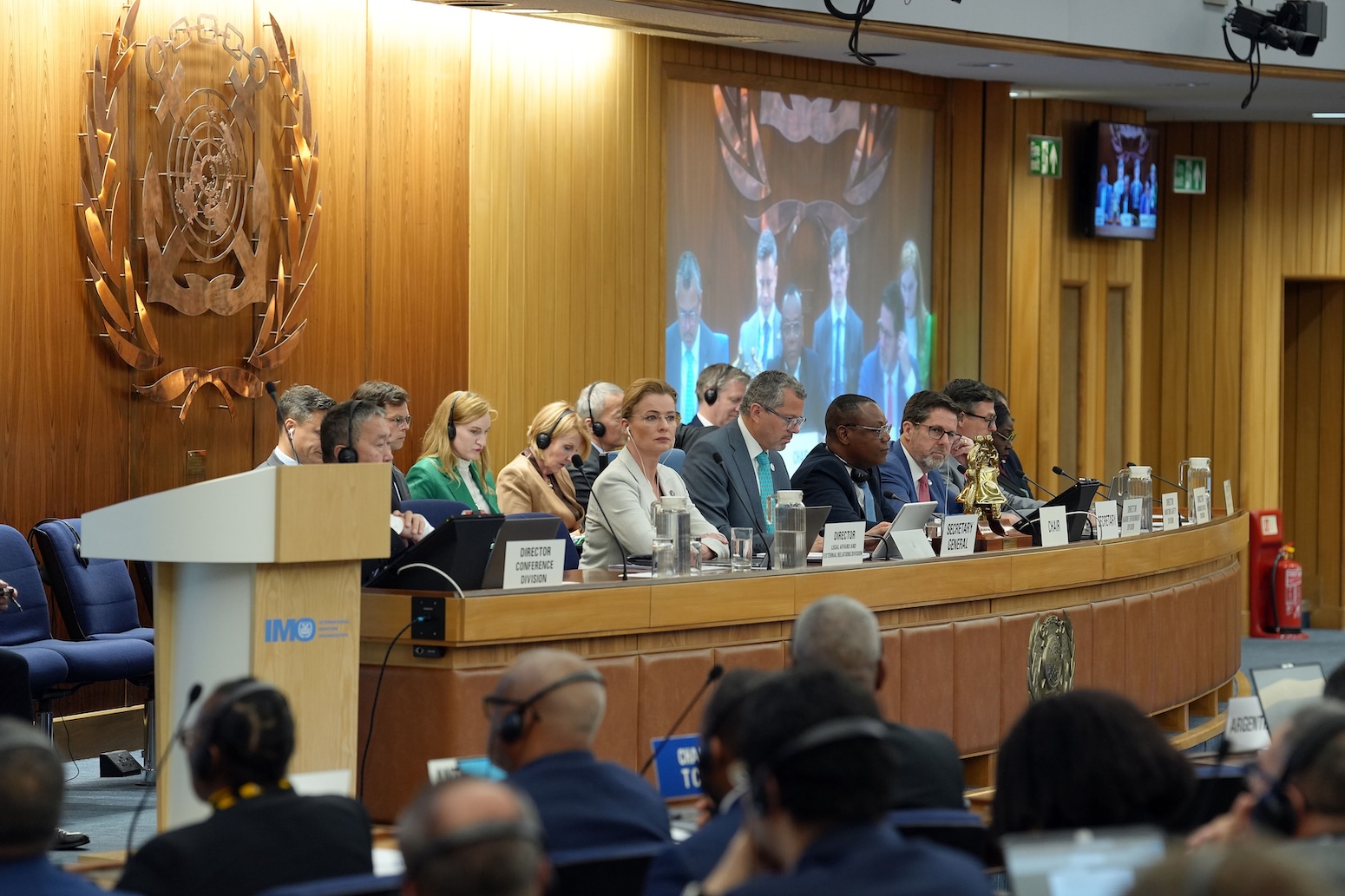
At MEPC84, opponents—including flag states Liberia and Panama, which control a third of global commercial shipping, plus Argentina—pushed a counter-proposal that would strip carbon pricing entirely. Supporters like Brazil, the European Union, and Pacific island nations argued the framework already represented a “careful balance of interests”.
What Happened at the Meeting
Despite the counter-proposal, the meeting ended with a formal statement reaffirming delegates' commitment to the framework. The committee will now work toward adoption at its December 2026 session, with intersessional talks planned to resolve remaining disputes over pricing mechanisms and enforcement.
“This was a critical test for multilateral climate action on shipping,” said Dr. Amelia Torres, a maritime policy analyst at the Global Climate Institute. “The framework survived, but the hard part lies ahead—getting the details right so it works for both developing and developed nations.”
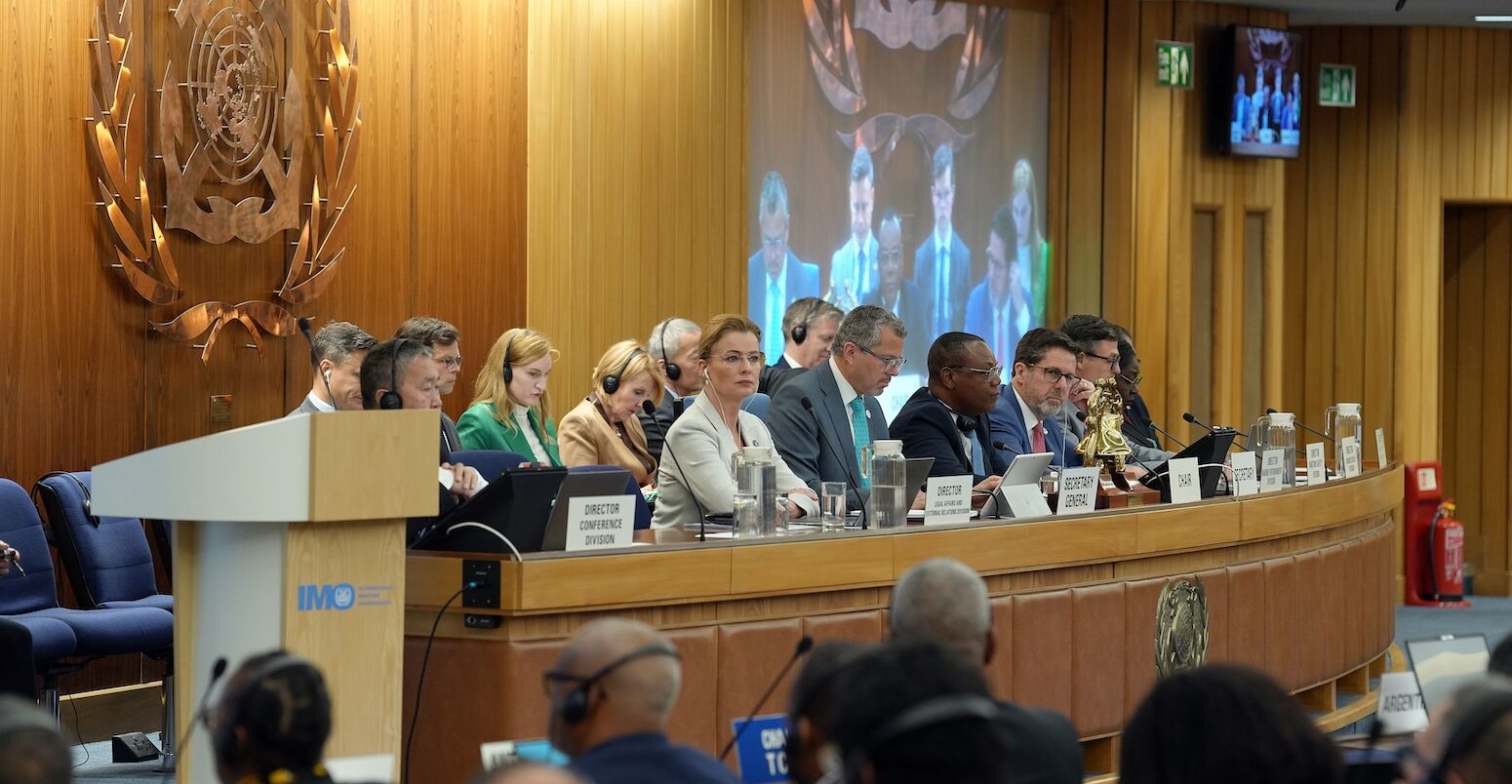
Key Players and Their Positions
- Supporters: Brazil, EU, Pacific islands—back full framework with carbon pricing, calling it a compromise that protects vulnerable nations and accelerates green technology.
- Opponents: US, Liberia, Panama, Argentina—seek to eliminate or dilute pricing, citing economic competitiveness and sovereignty concerns.
- Industry groups: Split—some see regulation as inevitable; others fear costs will hurt global trade.
What This Means
A successful adoption in 2026 would mark the first global carbon pricing mechanism for an entire transport sector, potentially generating billions of dollars annually for climate finance. For shippers, it means a longer runway to adapt—but also continued uncertainty over compliance costs.
“Delaying the framework gives the industry time to prepare, but it also risks losing political momentum,” warned Captain James Okonkwo, a former IMO delegate. “If the US administration remains hostile, the deal could still unravel.”
The outcome reinforces the challenge of reaching consensus on climate policy when major emitters diverge. For small island states, which rely on shipping for trade but face existential threats from rising seas, the framework is a matter of survival. “We cannot afford further delays,” said an ambassador from Fiji, speaking on the sidelines. “Every year of inaction is a year of lost opportunity to cut emissions.”
Related Articles
- Subaru Electric SUVs Undercut Gas Models in Lease Deals, Industry First
- EVs Disappearing from US Market? Step-by-Step Guide to Understanding the Tariff Impact
- Coal Plant Emissions Reduce Solar Panel Efficiency by Scattering Sunlight
- The Orion PDA: A Retro-Inspired Pocket Computer with Solar Charging Power
- 10 Ways Spotify Streamlined Dataset Migrations with Honk and Backstage
- Built-In Projector and Rugged Design: The Tank Pad Ultra Brings Bright 1080P to Tough Tablets
- WattEV Secures 370 Tesla Semis in Historic California Electric Truck Deal
- 10 Things You Need to Know About WebAssembly's New Speculative Optimizations in V8