Disappearing Act: The Art of Invisible Smart Home Sensors
Introduction
Smart home technology has revolutionized how we live, offering convenience, energy efficiency, and security. Yet, many devices come with bright LED lights, bulky cases, and an unmistakably techy look that clashes with carefully curated interiors. The best smart home sensors are the ones you'll never see—they blend into walls, ceilings, and furniture, performing their duties without disrupting your decor. Let's explore how to choose and install these invisible marvels for a seamless smart home experience.
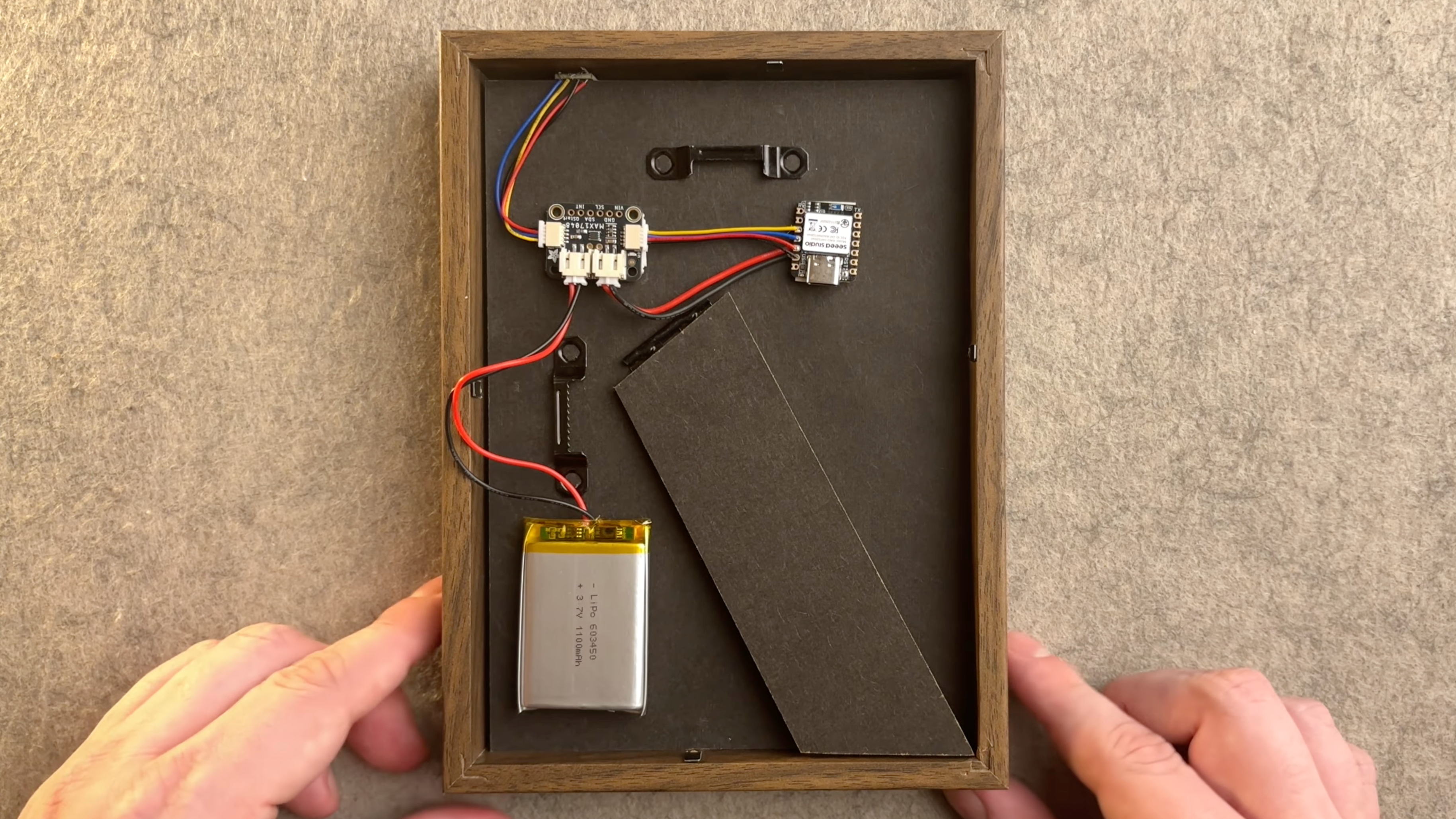
Why Invisibility Matters in Smart Home Design
When a laptop sits on your desk, its sleek design can be a statement piece. But a motion sensor stuck to a hallway wall often stands out as an eyesore. The goal of modern smart home design is to integrate technology so naturally that it becomes part of the architecture, not an afterthought. Invisible sensors allow you to maintain a clean, uncluttered aesthetic while still enjoying the benefits of automation. They also reduce the psychological friction of living with "gadgets," making your home feel more like a home and less like a tech lab.
Types of Unobtrusive Sensors
Motion Sensors
Gone are the days of large, white domes on ceilings. Modern passive infrared (PIR) sensors come in tiny, discrete enclosures that can be painted to match your wall or ceiling. Some models are as small as a coin and sit flush against the surface. For outdoor use, consider sensors hidden in light fixtures or under eaves, detecting movement without attracting attention.
Contact Sensors
Door and window sensors are now available in ultra-thin designs—often just a few millimeters thick—that can be mounted on the frame with minimal visibility. Many come in white or black, but you can also find ones with paintable covers or even adhesive strips that let you hide them inside the door hinge area.
Environmental Sensors
Temperature, humidity, and light sensors can be integrated into a single, barely noticeable unit. Some double as wall switch plates or are embedded in smart thermostats. For a truly invisible setup, choose sensors that communicate wirelessly over Zigbee or Z-Wave and can be tucked behind furniture, in closets, or inside planters.
Leak and Smoke Detectors
Safety sensors don't have to be ugly. Many modern smoke detectors are low-profile with sleek lines, and leak detectors can be placed under sinks or behind appliances. Some even come as small pucks that attach to the floor, virtually unseen in a busy kitchen.
Key Features to Look For
When shopping for invisible sensors, consider:
- Size and Form Factor: Look for the smallest possible footprint. Flush-mount or recessed options are ideal.
- Color and Finish: White is standard, but you may want paintable surfaces or off-white, black, or wood-toned options.
- Power Options: Battery-powered sensors avoid wiring clutter, but ensure easy battery access. Hardwired sensors (like those with PoE) can be hidden behind plaster.
- Connectivity: Choose sensors that work with your smart home hub (e.g., Apple HomeKit, Amazon Alexa, Google Home, SmartThings).
- Sensor Range: Ensure the detection angle and range fit your room layout without needing to be placed in a visually awkward spot.

Installation and Placement Tips
Hide in Plain Sight
Place motion sensors in corners where they are naturally less noticeable. Use paintable covers to match the wall color. For windows, attach contact sensors to the top frame rather than the side, behind curtains. Use cable management raceways that match the trim to hide wires.
Leverage Furniture
Bookshelves, sofa backs, and curtains can obscure sensors while still allowing them to function. Ensure the sensor has a clear line of sight if it uses infrared. For environmental sensors, place them behind a book or inside a hollow lamp base.
Multi-Sensor Zones
Combine multiple sensors in one location—for example, a motion sensor, temperature sensor, and humidity sensor can all be housed in a single small enclosure. This reduces visual clutter and simplifies installation.
Integration with Smart Home Systems
Invisible sensors are only useful if they integrate seamlessly with your smart home platform. Set up automations:
- When motion is detected in the hallway at night, turn on dimmed lights.
- When a door opens, send a notification or trigger an alarm.
- When temperature reaches a certain level, adjust the thermostat.
- When humidity spikes, activate a dehumidifier or fan.
Future Trends: Sensors That Disappear Completely
The next generation of smart sensors may vanish entirely. Companies are developing capacitive sensors built into wallpaper, radio-frequency sensors that detect movement through walls, and even paint that can sense touch. These technologies promise to make our homes truly intelligent without any visible hardware. For now, the best approach is to choose sensors that blend in, mount them cleverly, and enjoy the benefits of a smart home that looks like—well, a home.
Conclusion
Smart home sensors don't have to be an eyesore. By prioritizing size, color, placement, and integration, you can create an automated environment that feels natural and unobtrusive. The best sensors are the ones you never see—working tirelessly in the background to make your life easier, while your decor remains the star of the show.
Related Articles
- Saros and Pragmata Signal a Golden Age for Pure, Unapologetic Video Games
- Final Fantasy 7 Remake Part 3 in Intensive Development: Co-Director Reveals Over 40 Playthroughs Completed
- Ask.com Search Engine Shuts Down After Nearly 30 Years, Marking End of Dot-Com Era Icon
- Sims 4 Infancy & Wardrobe Revolution: A Complete Guide to the Big New Update
- Understanding the Many Iterations of Star Fox 64: A Q&A Guide
- Unlock Windows 11’s Hidden Xbox Mode: Your Q&A Guide
- Vivo X300 Ultra Raises the Bar: Why Samsung Needs to Step Up
- 10 Reasons Esoteric Ebb Will Captivate CRPG Fans