Morocco Joins the Artemis Accords: A New Chapter in Global Space Exploration
On April 29, 2026, the Kingdom of Morocco became the 64th nation to sign the Artemis Accords, a historic commitment to responsible and peaceful space exploration. The ceremony took place in the capital, Rabat, during a visit by U.S. Deputy Secretary of State Christopher Landau. This milestone underscores Morocco's dedication to shared principles and international cooperation as humanity prepares for a sustained presence on the Moon and beyond. Below, we answer key questions about this event and the broader accords.
What are the Artemis Accords?
The Artemis Accords are a set of practical principles established in 2020 under the first Trump Administration. NASA, the U.S. State Department, and seven founding nations created them to guide the safe, transparent, and peaceful exploration of the Moon, Mars, and other celestial bodies. The accords build on existing international law, like the Outer Space Treaty, to promote cooperation among like-minded countries. Signatories commit to using space for peaceful purposes, sharing scientific data openly, rendering aid to astronauts in distress, avoiding harmful interference with other missions, and preserving historically significant artifacts. As of April 2026, 64 nations have joined, with more expected to follow. Learn how these principles shape lunar operations.
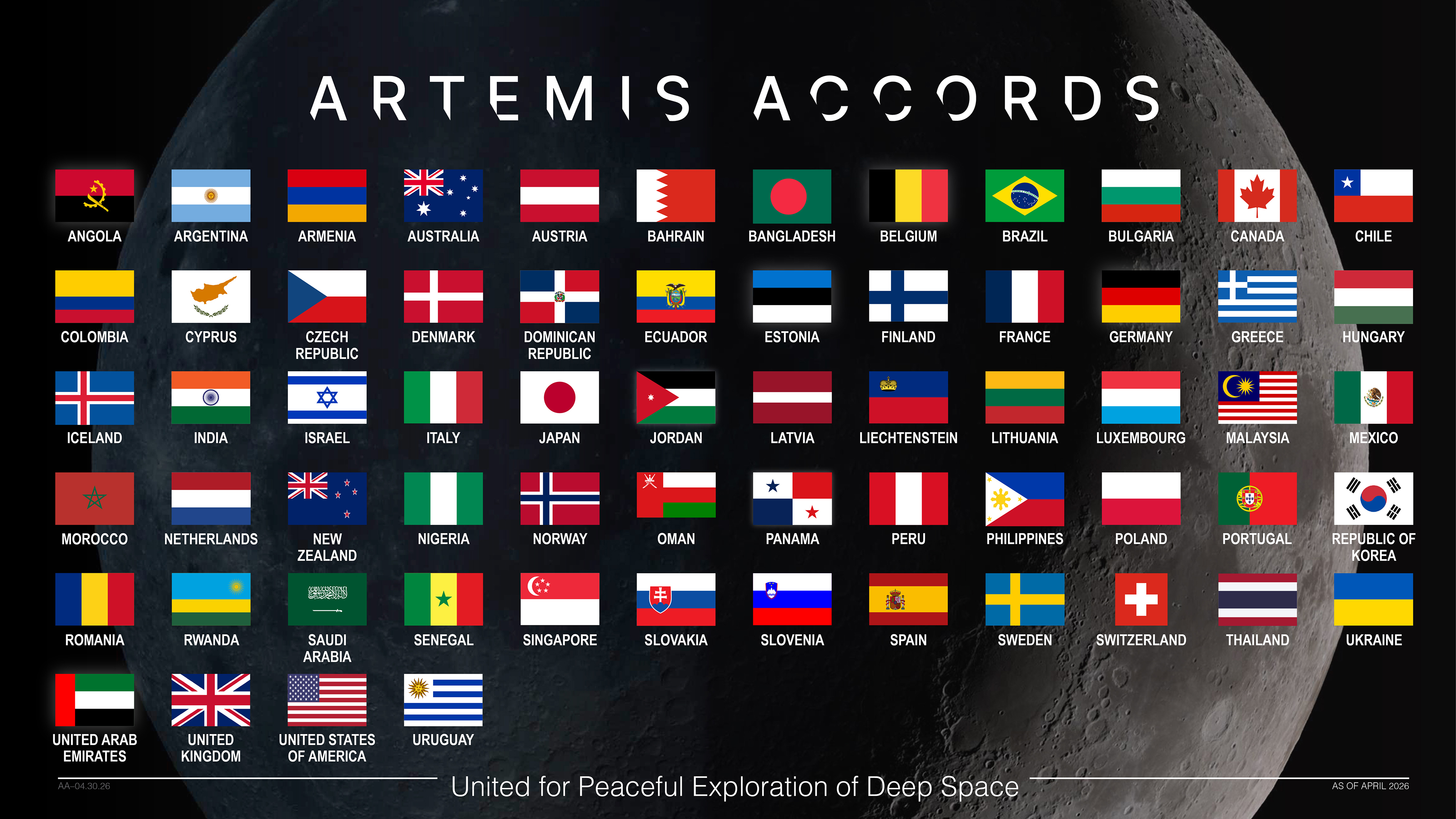
Why did Morocco sign the Artemis Accords?
Morocco signed the accords to align with a global framework for responsible space exploration. Foreign Minister Nasser Bourita emphasized the nation's commitment to shared values in critical sectors, including space. For Morocco, joining the Accords opens doors to collaborative research, data sharing, and future missions with other signatory countries. NASA Administrator Jared Isaacman noted that under President Trump's vision for a permanent lunar presence, partners like Morocco can meaningfully contribute to humanity's greatest adventure. The agreement also reflects Morocco's growing ambitions in space technology and its desire to participate in the peaceful use of outer space for the benefit of all.
Who represented Morocco and the US at the signing?
The signing ceremony was a high-level diplomatic event. For Morocco, Foreign Minister Nasser Bourita signed the Accords on behalf of the kingdom. The United States was represented by Deputy Secretary of State Christopher Landau, who was on an official visit to Morocco, and U.S. Ambassador to Morocco Duke Buchan III. NASA Administrator Jared Isaacman delivered recorded remarks welcoming Morocco as the newest signatory. Their presence highlighted the strong bilateral ties between the two countries and the importance of space as a new arena for cooperation. This joint participation underscores the Accords’ role as a tool for diplomatic engagement and shared scientific goals.
What are the key principles Morocco committed to?
By signing the Artemis Accords, Morocco agreed to a set of core principles designed for responsible space exploration. These include:
- Peaceful exploration: Ensuring all activities are conducted for peaceful purposes.
- Transparency: Openly sharing plans and policies to avoid misunderstandings.
- Rendering assistance: Helping astronauts in distress, regardless of nationality.
- Data sharing: Making scientific data accessible so all humanity benefits.
- Non-interference: Ensuring activities do not disrupt others' operations.
- Preservation: Protecting historically significant sites and artifacts through best practices.
These commitments ensure that as more nations and private companies venture to the Moon and beyond, they do so safely and cooperatively. Find out why Morocco values these principles.
How does this fit into NASA's lunar plans?
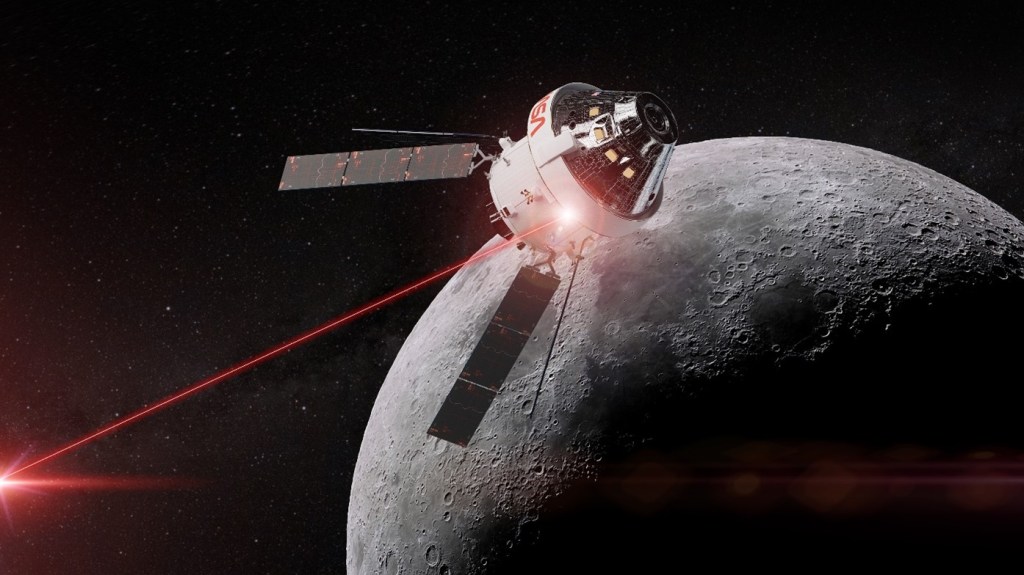
The signing comes as NASA advances the Artemis program, which aims to establish a sustainable human presence on the Moon. Administrator Jared Isaacman explained that the Accords started as a framework for like-minded cooperation but now, under President Trump's vision, enable partners to make meaningful contributions. Morocco and other signatories can participate in shared missions, technology development, and scientific research. The Accords provide the governance structure for this expanded effort, ensuring that all activities are coordinated and peaceful. As more countries join, NASA expects to build a robust international coalition around lunar exploration, ultimately paving the way for crewed missions to Mars.
What was the historical context of the Accords?
The Artemis Accords were first established in 2020, during the first Trump Administration, with seven founding nations: the United States, Australia, Canada, Italy, Japan, Luxembourg, the United Arab Emirates, and the United Kingdom. They responded to growing interest in lunar activities from both governments and private companies. The Accords introduced the first set of practical international principles for transparency, safety, and coordination in space. Since then, dozens of countries have signed, reflecting a global consensus on the need for rules-based behavior beyond Earth. Morocco's addition as the 64th signatory shows continued momentum, and officials expect more nations to join in the months and years ahead.
What are the next steps for Morocco in space?
By signing the Artemis Accords, Morocco positions itself to actively participate in future space missions and research. The country can now collaborate with NASA and other signatories on joint projects, access shared scientific data, and potentially involve Moroccan scientists and engineers in lunar exploration. The Accords also allow Morocco to contribute to best practices for space sustainability. While specific programs are yet to be announced, the agreement signals Morocco’s intent to strengthen its space sector and engage in global partnerships. As more nations join, Morocco will have opportunities to co-develop technology, conduct experiments, and even send Moroccan astronauts on future Artemis missions.
Related Articles
- Decoding Multi-Agent System Failures: How Automated Attribution Pinpoints the 'Who' and 'When'
- Samsung Plans July Launch of AI Smart Glasses to Beat Apple
- How to Track App Download Trends and Respond to Slowdowns
- How a Simple Filter Change Can Revolutionize Marine eDNA Monitoring
- SpaceX CRS-34 Heads to ISS with Cutting-Edge Science and Supplies
- Perseverance Rover's Westernmost Selfie: Exploring Beyond Jezero Crater
- Word2vec Mystery Solved: Learning Reduces to PCA, New Proof Shows
- How Scientists Uncover the True Causes of Lightning: A Step-by-Step Guide