SPIFFE: A Trusted Identity Framework for Autonomous AI and Non-Human Entities
Introduction
As artificial intelligence systems grow more independent and proactive, ensuring they can be trusted and identified becomes a pressing concern. Traditional identity systems, which rely on human-centric methods like passwords or static tokens, fail to meet the needs of dynamic, short-lived, or non-human actors. SPIFFE (Secure Production Identity Framework For Everyone) offers a proven, open-standard solution designed for exactly this environment.
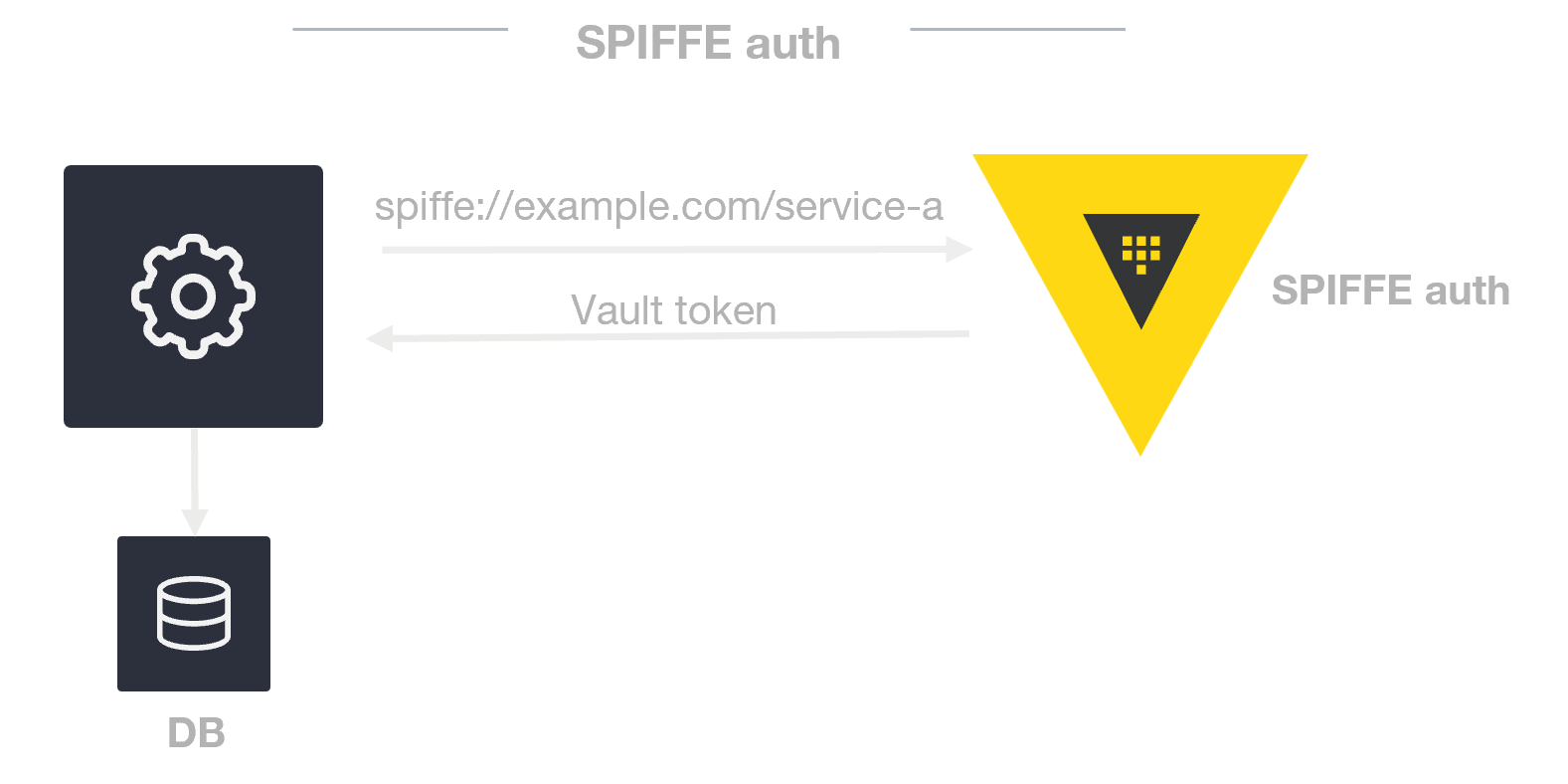
What Is SPIFFE?
SPIFFE is an open standard that provides a secure identity framework for workloads. Originally built to help microservices authenticate in cloud-native settings, it issues and validates cryptographically verifiable identities without requiring long-lived secrets such as API keys or passwords. Key capabilities include:
- Workload identity: Each service or process receives a unique identity called a SPIFFE ID.
- Federated trust: Identities can be validated across different organizations and environments.
- Dynamic credentialing: Identities are automatically issued and rotated, lowering the risk of credential leaks.
Why SPIFFE Matters for Agentic AI
Autonomous AI systems—like LLM-powered bots, robotic controllers, or multi-agent swarms—operate independently, make decisions, and interact with other entities. They must prove their identity, establish trust in multi-agent settings, and communicate securely across networks and organizations. SPIFFE addresses these requirements through several core strengths.
Verifiable Non-Human Identity
SPIFFE IDs are linked to workloads rather than people, making them ideal for AI agents, robots, or any non-human actor. Each agent can receive a unique SPIFFE ID that certifies its origin, capabilities, and trust level.
Zero Trust Architecture
In a zero-trust model, no entity is automatically trusted. SPIFFE supports this by enabling mutual TLS (mTLS) between agents, ensuring every interaction is both authenticated and encrypted. This is essential to prevent impersonation or unauthorized access in AI-driven systems.
Federation Across Domains
Agentic AI often operates across multiple clouds, organizations, or networks. SPIFFE’s federation model allows identities to be validated across trust domains, enabling secure collaboration between agents from different environments.
Dynamic Identity Lifecycle
AI agents may be created and decommissioned rapidly. SPIFFE supports ephemeral identities that can be automatically rotated and revoked, matching the high pace of modern AI deployments. Short-lived credentials reduce the attack surface and improve operational security.
Use Case: AI Agents in a Multi-Agent System
Imagine a swarm of AI agents coordinating a smart city’s infrastructure—managing traffic lights, energy grids, and emergency responses. Each agent must authenticate itself to others, prove it has authority to perform certain actions, and secure all communications. SPIFFE provides the identity backbone that makes this possible without manual intervention or static secrets.
For a deeper dive into implementing SPIFFE for AI workloads, see the section on why SPIFFE matters or explore the official SPIFFE documentation.
Conclusion
As AI continues to evolve, robust identity management is no longer optional. SPIFFE offers a battle-tested framework that adapts to the unique needs of autonomous and non-human actors. By combining verifiable workload identity, zero-trust enforcement, cross-domain federation, and dynamic credentialing, SPIFFE enables secure, scalable operations for the next generation of intelligent systems.
Related Articles
- Decoding AMD RDNA 4 Entry-Level GPUs: The RX 9050 Rumor Explained
- Navigating AMD's Earnings Surge: A Comprehensive Guide to AI-Driven Growth
- Intel Wildcat Lake Powers Budget Laptops Starting at $450: What You Need to Know
- Intel and Apple Reportedly Forge Preliminary Chip Manufacturing Deal
- Decoding AMD's GFX12.1: New Open-Source Driver Activity Hints at Next-Gen GPU Plans
- How to Compare Top Gun and Top Gun Maverick in a Back-to-Back Rewatch
- Navigating the Updated GPU Baseline in Rust’s nvptx64-nvidia-cuda Target
- Guide to Implementing SPIFFE for Autonomous AI Agents